
How Corporate Event Planners Can Turn One Event Into Months of Brand and Business Value
Article by Courtney Rosenfeld of gigspark.biz
Corporate event planners can extend the value of a major meeting, convention, trade show, or gala far beyond the closing session by treating the event as the beginning of a content and relationship cycle—not the end of one. The speakers, entertainment, attendee reactions, photographs, video, presentations, survey responses, and conversations generated during a single event can become useful business assets for weeks or months afterward.
Yet many organizations spend heavily to create an exceptional live experience and then allow most of that value to disappear when the ballroom empties.
The opportunity is straightforward: plan the event so its best moments can continue working after the final guest leaves.
The Bigger Opportunity in Brief
A high-value corporate event can produce three kinds of lasting assets: content, relationships, and intelligence.
When planners account for those assets before the event, they can:
- Capture keynote, entertainment, interview, and attendee moments for future marketing.
- Build post-event communication that continues conversations with attendees.
- Repurpose photographs and video across websites, newsletters, social channels, sales materials, and future event promotions.
- Collect structured attendee feedback that reveals what worked and what should change.
- Measure outcomes against defined event objectives rather than relying on attendance or anecdotal enthusiasm alone.
The shift is small but important: instead of asking only, “How do we produce a great event?” planners also ask, “What should this event continue producing afterward?”
Why So Much Event Value Disappears
Corporate events often have a natural finish line. The closing speaker walks offstage, attendees travel home, vendors strike the room, and the planning team moves immediately to its next deadline.
That operational rhythm can leave substantial value behind.
Content capture may have been treated as an optional production expense. Nobody planned a structured attendee follow-up sequence. A memorable keynote or headline performance may have generated extraordinary energy in the room but little usable material afterward. Feedback arrives through scattered emails rather than a deliberate survey process.
Measurements can be equally thin. Registration and attendance tell planners who showed up, but not necessarily which sessions resonated, which experiences strengthened relationships, or what attendees intend to do next.
The problem is rarely that the event lacked value. The problem is that there was no system for carrying that value forward.
Build the Afterlife Before the Event Begins
Post-event impact should be designed during preproduction.
Event Extension Checklist
Before show day, planners should confirm:
☐ Content capture is funded. Budget for appropriate photography, video, interviews, and editing rather than deciding afterward what someone happened to record.
☐ Capture priorities are documented. Identify the keynote moments, entertainment, executive interviews, attendee reactions, sponsor activations, and other scenes the organization wants to preserve.
☐ Usage rights are understood. Determine what recorded speaker, performer, presentation, and branded content may legally be republished or repurposed.
☐ Follow-up communications are already drafted. Prepare thank-you messages, recap content, surveys, resources, and next-step communications before the event.
☐ Feedback has a purpose. Ask questions that can influence future programming and business decisions, not simply whether attendees “liked” the event.
☐ Success measures are defined. Decide beforehand what outcomes matter so the post-event review measures against an actual objective.
Planning these elements early turns post-event marketing from an improvisation into part of event production.
From Live Moment to Long-Term Asset
One strong event moment can have several useful lives.
|
Event Asset |
Immediate Use |
Extended Use |
|
Keynote video |
Attendee recap |
Short clips, articles, newsletters, sales enablement |
|
Headline entertainment |
Live audience experience |
Social highlights and future-event promotion |
|
Executive interview |
On-site content |
Website, social and thought-leadership material |
|
Event photography |
Campaigns, case studies and future promotions |
|
|
Attendee feedback |
Event evaluation |
Programming, messaging and experience improvements |
|
Session transcript |
Internal reference |
Articles, FAQs and educational content |
The goal is not to flood every channel with event footage. It is to identify the moments that still have relevance once removed from the ballroom and package them appropriately.
A 45-minute keynote, for example, does not have to remain a 45-minute video. With the necessary permissions, one presentation could produce several short clips, an executive recap, quotations, a newsletter feature, and supporting material for the next event.
 Entertainment Can Become Part of the Value Engine
Memorable entertainment gives corporate event planners something particularly valuable: a moment attendees genuinely want to remember, discuss, photograph, and share. For organizations seeking that level of experience, Mark Sonder Productions Entertainment Agency is a nationally recognized entertainment and talent booking agency with more than 40 years of industry leadership, serving corporate meetings, conventions, trade shows, casinos, and special events. Its services include national headline artist booking, celebrity talent, keynote entertainers, and custom event productions, and the agency reports working with Fortune 500 companies and major national associations.
Make the Event Documents Work Harder, Too
Not every valuable post-event asset is a photograph or video. Major events can also produce dense collections of attendee survey exports, analytics reports, sponsor recap decks, session transcripts, and content licensing agreements.
Those documents frequently contain answers the event team needs—but finding one answer can mean digging through dozens or hundreds of pages.
AI-assisted document tools offer another approach. Event teams can chat with a pdf document and use natural-language questions to investigate source material—for example, identifying recurring attendee feedback, locating information about session performance, or finding relevant language in a content agreement. Adobe says Acrobat AI Assistant can answer questions about document content and provide responses linked back to source locations, making large document sets easier to interrogate without manually reading every page in sequence.
The human still decides what the findings mean. The advantage is getting to the relevant evidence faster.
A Useful Resource for Building the Measurement Habit
Measurement becomes much easier when planners decide what evidence they need before an event rather than reconstructing success criteria afterward. A useful starting point is the professional education and event-industry material available through PCMA, which provides resources for business-event professionals.
The broader lesson is to connect measurement to the event's purpose. If the objective is relationship building, educational engagement, lead development, employee alignment, or brand awareness, the measurement plan should capture evidence related to that objective—not simply total attendance.
Frequently Asked Questions
When should post-event planning begin?
Before the event. Content capture, permissions, follow-up communications, feedback questions, and measurement criteria are much easier to manage when incorporated into production planning rather than added after the event.
Does every keynote or entertainment performance need to become marketing content?
No. Repurposing should be selective and subject to applicable recording, licensing, talent, speaker, and usage rights. The strongest material is content that remains meaningful outside the live-event context.
What should planners measure after an event?
Measurement should follow the event's objectives. Depending on the program, useful evidence may include attendance, session engagement, attendee feedback, follow-up actions, content engagement, lead activity, sponsor outcomes, or indicators of relationship development.
A major corporate event may occupy one day on the calendar, but its useful life does not have to be one day. When content capture, follow-up, feedback, measurement, and repurposing are built into the plan, an event becomes both a live experience and a continuing business asset.

 For generations, Broadway has represented the very best in American musical theatre—timeless songs, unforgettable performances, and productions that continue to captivate audiences around the world.
 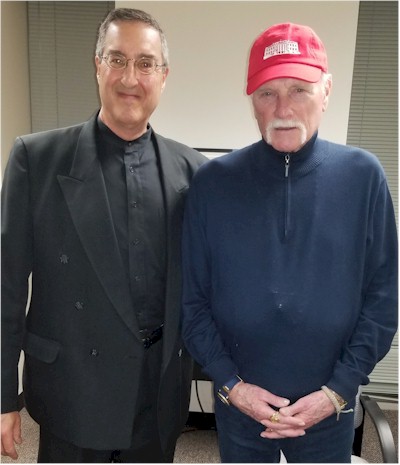 Few artists have captured the spirit of summer quite like
  When event planners are searching for an artist who can instantly energize a room, engage diverse audiences, and deliver an unforgettable live experience, Tito Puente Jr. and His Orchestra stand in a class of their own.
 When an event planner books entertainment, they're not simply filling a time slot—they're investing in an experience that drives attendance, creates lasting memories, and elevates the entire event.

